
PSA vs CGC: Understanding Grade Differences and the Role of Centering
PSA and CGC both grade trading cards on a 1-10 scale with similar centering standards, but there are key differences in their grading tiers and services. Centering is a major factor, but not the only one, in determining your card's final grade.
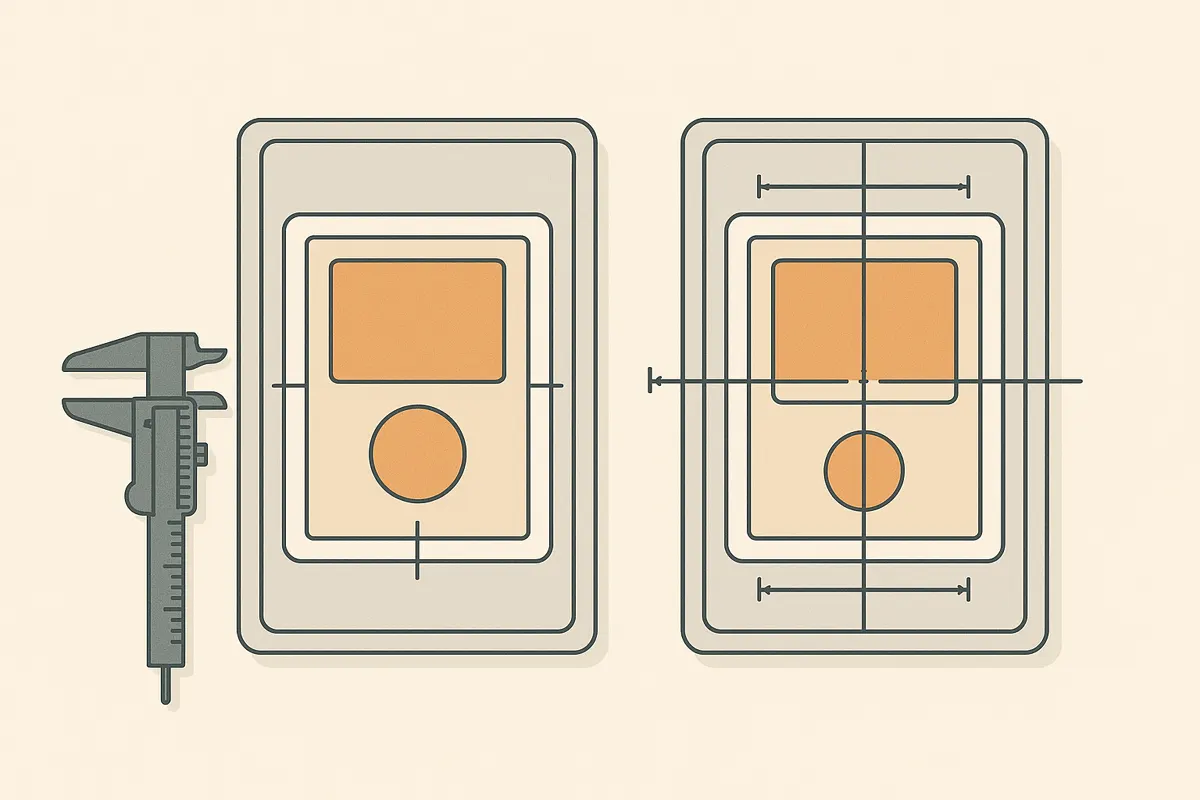
How PSA and CGC Grading Scales Compare
Both PSA and CGC use a 1-10 grading scale for trading cards. PSA's highest standard is Gem Mint 10, while CGC offers both a Gem Mint 10 and a Pristine 10 tier, the latter requiring perfect subgrades in centering, corners, edges, and surface. PSA 10 cards tend to carry the highest resale value and are the most liquid in the market. CGC is known for faster turnaround times and often lower submission costs, making it appealing for some collectors and sellers.
Centering Requirements: What Gets You a 10?
Centering is a critical subgrade in both systems. For a top grade (10) from either PSA or CGC, your card typically needs front centering around 55/45 or better. Back centering standards are generally more lenient but still important. Neither PSA nor CGC publish exact tolerances for every grade, and requirements can change, so always review their official guidelines before submitting. To avoid guesswork, measure your card's exact centering using the Midpoint app for iOS or Android before deciding where to send it.
Other Subgrades: Corners, Edges, and Surface
- Centering is just one factor. Both PSA and CGC also assess corners, edges, and surface quality.
- Even with perfect centering, flaws in other areas can prevent a card from achieving a 10.
- CGC's Pristine 10 requires all four subgrades to be perfect, making it harder to achieve than a Gem Mint 10 from either service.
Which Grader Should You Choose?
If resale value is your top priority, PSA 10s are generally the most sought after. If you want a faster, often less expensive grading process or are aiming for a Pristine 10, CGC may be a good choice. Since centering standards for a 10 are nearly identical, your card will often receive a similar grade from both, provided other subgrades are equal. Always measure your card's centering in advance with Midpoint to set realistic expectations and avoid wasted grading fees.
Measure your card's exact front and back centering in Midpoint - free to start - and know which grade tier it can actually reach.
Try MidpointFAQ
How does centering affect PSA vs CGC grades?
Both PSA and CGC require similar centering for a 10 (about 55/45 or better on the front). Slight differences exist, but overall, centering standards are close.
What is the main difference between PSA and CGC grading?
PSA has the largest resale market and its 10s are most liquid. CGC offers a Pristine 10 tier above Gem Mint 10 and is often faster and less expensive.
Can I get a Pristine 10 from PSA?
No. Only CGC offers a Pristine 10, which requires all subgrades (centering, corners, edges, surface) to be perfect. PSA's highest is Gem Mint 10.
How can I know my card’s centering before submitting?
Use the Midpoint app to measure exact front and back centering from a photo. This helps predict your card’s grade before paying for PSA or CGC submission.
Do PSA or CGC publish exact centering standards?
Neither publishes full detailed ratios for every grade. Always check their current guidelines and measure your card’s centering for the most accurate submission.