
BGS vs CGC: How Centering Really Decides Your Card’s Grade
BGS and CGC both use four sub-grades, but Beckett is generally stricter on centering than CGC. Knowing your card’s exact centering is key to predicting your grade before you submit.
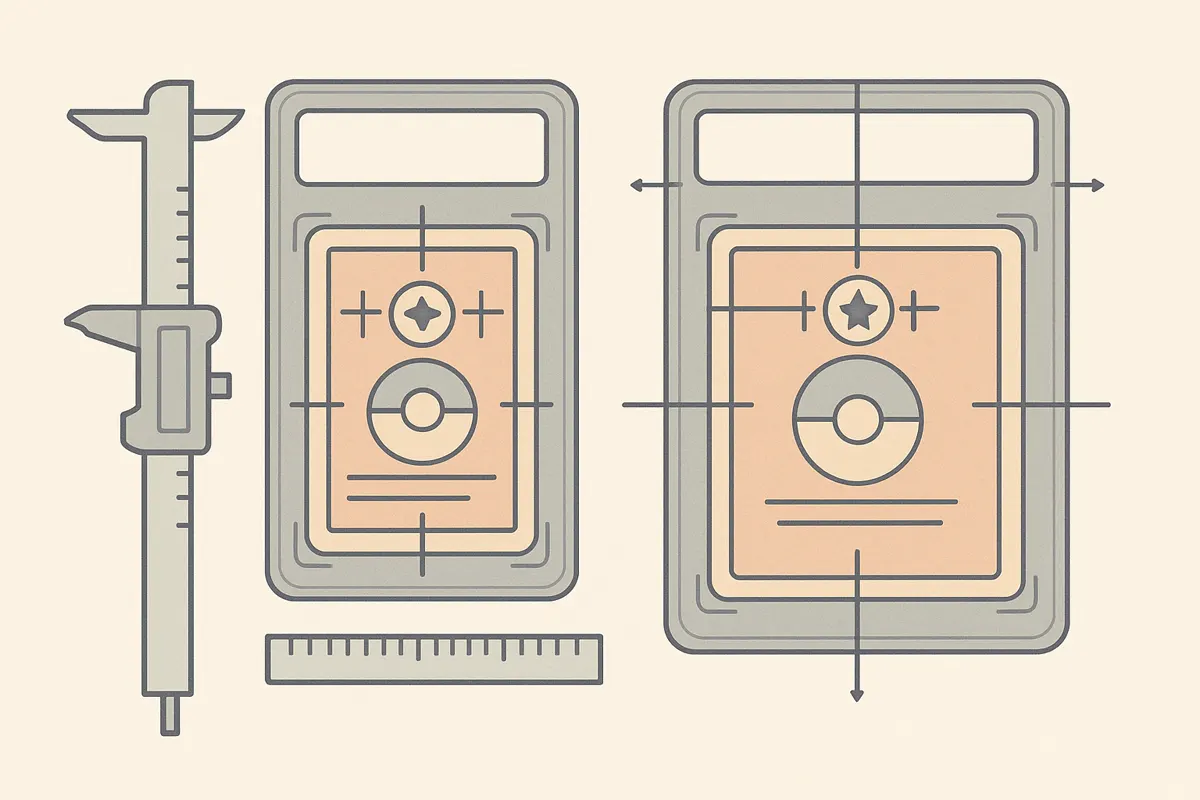
How BGS and CGC Grading Systems Compare
BGS (Beckett Grading Services) and CGC (Certified Guaranty Company) both provide sub-grades for Centering, Corners, Edges, and Surface. This breakdown gives collectors detailed insight into a card’s strengths and weaknesses. However, BGS is known for being stricter on centering, especially for their highest grades, while CGC is often viewed as slightly more forgiving on this sub-grade.
Centering: The Deciding Factor for Top Sub-Grades
For BGS, a 10 in centering typically requires perfect alignment (around 50/50 centering). Even small deviations can drop the centering sub-grade. CGC also requires strong centering for its top grades, but collectors report that minor imperfections are sometimes accepted. Ultimately, both companies reserve their highest labels (BGS Black Label 10, CGC Pristine 10) for cards with flawless sub-grades, including centering.
Always check the current published standards from each grader for the most accurate criteria, as requirements can change.
How to Measure Your Card’s Centering
- Use a tool like the Midpoint app (available on iOS and Android) to measure your card’s exact front and back centering percentages before you submit.
- Midpoint detects borders and computes the centering ratio, so you know if your card meets the grader’s published tolerance.
- Knowing your centering in advance helps you decide which service to submit to, especially if you’re targeting a top grade.
Other Factors That Affect Your Final Grade
While centering is critical, both BGS and CGC also weigh corners, edges, and surface. A card with perfect centering but poor corners or surface will not achieve a flawless grade. Always inspect all four grading categories before submitting, and use published standards to set expectations.
Which Grader Should You Choose?
- BGS is generally stricter on centering and its Black Label 10 is highly sought after but rare.
- CGC is often faster and less expensive, and sometimes perceived as more lenient on centering for high grades.
- If your card is slightly off-center, CGC may be the better option for a higher centering sub-grade.
- Always measure centering first, then review the grader’s latest published standards before making your decision.
Measure your card's exact front and back centering in Midpoint - free to start - and know which grade tier it can actually reach.
Try MidpointFAQ
What are the main differences between BGS and CGC grading?
Both use four sub-grades, but BGS is stricter on centering, and its Black Label 10 is the rarest. CGC is often faster, less expensive, and sometimes more forgiving on centering.
How strict is BGS on centering compared to CGC?
BGS is typically stricter, requiring near-perfect centering for a 10 sub-grade. CGC may allow slight imperfections at the top sub-grade, but always check their current standards.
How can I check my card’s centering before submitting?
You can measure exact front and back centering using the Midpoint app on iOS or Android. This helps you predict how your card will score on centering before grading.
Does centering alone decide my card’s final grade?
No. Corners, edges, and surface are equally important. Even with perfect centering, flaws in other areas will lower your final grade.
Should I choose BGS or CGC if my card is slightly off-center?
If centering isn’t perfect, CGC may be more likely to award a higher centering sub-grade. Always measure and check current published standards before choosing.