
PSA vs BGS: The Real Difference Between Grades and How Centering Decides Which One You Get
PSA and BGS are top card graders, but their approach to centering is different - and it can decide your card’s final grade. Here’s exactly how centering matters for each, and how to check your card before submitting.
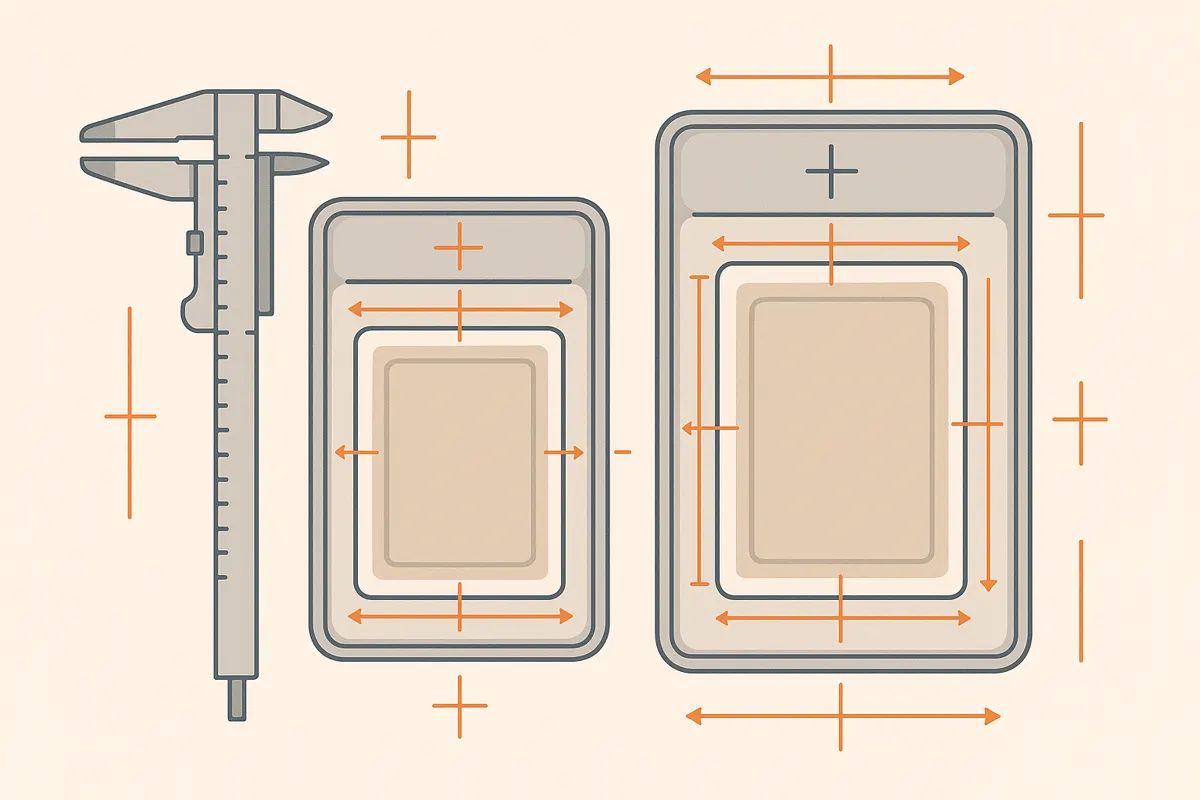
PSA vs BGS: How Each Handles Centering
PSA assigns a single overall grade to your card, weighing all aspects - corners, edges, surface, and centering. BGS (Beckett) uses four visible sub-grades, including a separate centering sub-grade. This means centering is explicitly scored and can limit your overall BGS grade, while PSA factors it into the overall impression.
Centering Tolerances: What Each Grader Requires
- PSA 10: Tolerates slightly off-center cards, with published standards generally allowing about 55/45 to 60/40 centering on the front for a Gem Mint 10. Exact standards may change, so always check PSA’s latest guidelines.
- BGS 10: Is stricter. A top centering sub-grade (required for a Black Label 10) usually demands very close to perfect centering (about 50/50). Even minor shifts can drop the centering sub-grade, affecting the overall grade.
For both, back centering tolerances are usually looser, but still matter - especially for BGS sub-grades. Always review the grader’s current published standards for the most precise requirements.
Why Centering Can Decide Your Grade
With BGS, your lowest sub-grade (including centering) can cap your card’s final score. Even if the rest of the card is flawless, off-center cards rarely achieve top BGS grades. PSA is a bit more forgiving on centering, so cards that miss BGS 10 centering may still earn a PSA 10 if other aspects are strong. However, centering that falls outside PSA’s tolerance will still lower your grade.
How to Measure Centering Before Submitting
Measuring by eye isn’t enough - grading companies use precise tools. Before you pay for grading, use the Midpoint app (iOS and Android) to measure your card’s exact front and back centering from a single photo. The app detects borders and calculates centering percentages, so you know how close your card is to each grader’s standard. This helps you decide where to submit and what grade to expect.
Other Factors Still Matter
Remember, centering is only one part of grading. Corners, edges, and surface quality are equally important for both PSA and BGS. Even perfectly centered cards won’t earn top grades if they have flaws elsewhere.
Measure your card's exact front and back centering in Midpoint - free to start - and know which grade tier it can actually reach.
Try MidpointFAQ
What is the main difference in centering standards between PSA and BGS?
BGS is stricter on centering for top grades, requiring nearly perfect centering for a 10 sub-grade, while PSA allows slightly more off-centering for a 10.
Can a card with imperfect centering get a PSA 10?
Yes, PSA 10 allows for some off-centering, typically up to about 55/45 to 60/40 on the front, but requirements can change - always check PSA's current standards.
Does BGS grade centering separately?
Yes, BGS assigns a visible centering sub-grade, which can limit the overall grade if centering is not near perfect.
How can I check my card's centering before grading?
Use the Midpoint app to scan your card and get exact centering percentages for both front and back, helping you match grader standards.
Is centering the only factor in PSA and BGS grades?
No. Corners, edges, and surface also matter. Centering alone cannot guarantee a top grade if other aspects have flaws.