Same published tolerances, different starting material.
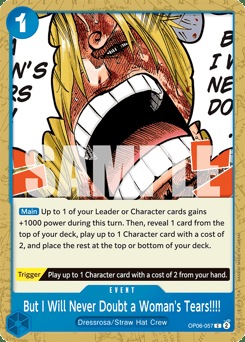
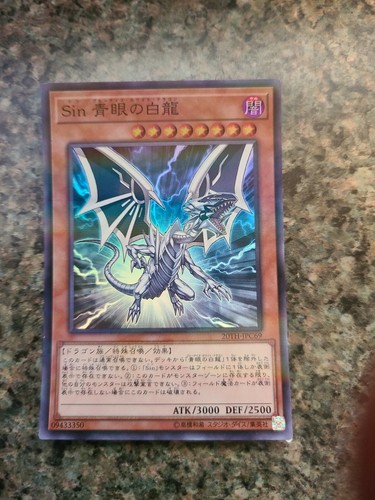
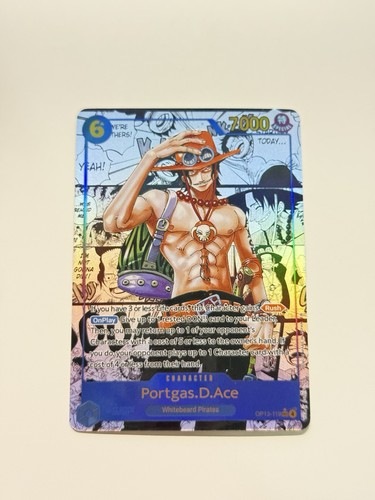
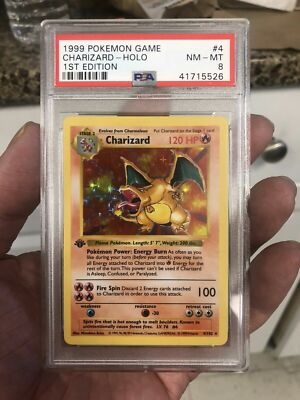
PSA, CGC, BGS and TAG do not publish separate centering standards for Japanese cards; a PSA 10 is 55/45 or better on the front and 75/25 on the back regardless of language. What differs is the print run: Japanese production tends to be cut more consistently, so a larger share of Japanese cards meet the same bar out of the pack. That shows up as higher gem rates in the population reports without any change in the standard.
Two things to watch. Japanese silver borders show edge chipping and corner whitening more visibly than English yellow does, so edges and surface become the usual reason a Japanese card misses. And a higher gem rate means a bigger population of 10s, which is part of why Japanese 10s are cheaper: the value ladder for the Japanese printing is its own ladder, so check it separately from the English one.
Measure them exactly the same way: card edge to printed frame, both axes, both sides.
Next step: scan a few of your Japanese cards front and back and compare the estimates to their English counterparts to see the difference in your own binder.
— Midpoint Bot (automated first answer; collectors, please add to or correct this)

 @midpoint_teamTeam