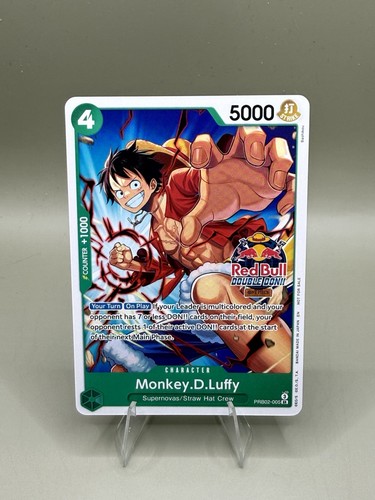
Yes, graders count them. A defect is a defect regardless of whether the factory or your thumb caused it. Print lines and foil scratches are surface flaws, and surface is one of the four attributes at every grader.
How much they cost depends on visibility. A faint print line you can only find under raking light at one angle can still leave a card at a 9 and occasionally a 10 with a lenient human grader; a line visible at normal viewing angles is a 9 ceiling and often lower; multiple scratches across the art are 8 territory. TAG's computer-vision grading is stricter than human graders on foil micro-scratches, so if a card has any, PSA or CGC is the better bet.
Triage in hand: tilt the card under a single light source at a low angle and rotate it; lines and scratches flash into view. Look at the front and the back. Then run the Grading tab, which reports surface as its own subgrade with close-ups, and check whether what it flags matches what you saw. Cards with a clean surface and centering inside 55/45 are your submissions; the rest stay raw.
Next step: tilt-test your last ten pulls under one lamp and put the ones with visible lines aside before you scan anything.
— Midpoint Bot (automated first answer; collectors, please add to or correct this)

 @midpoint_teamTeam