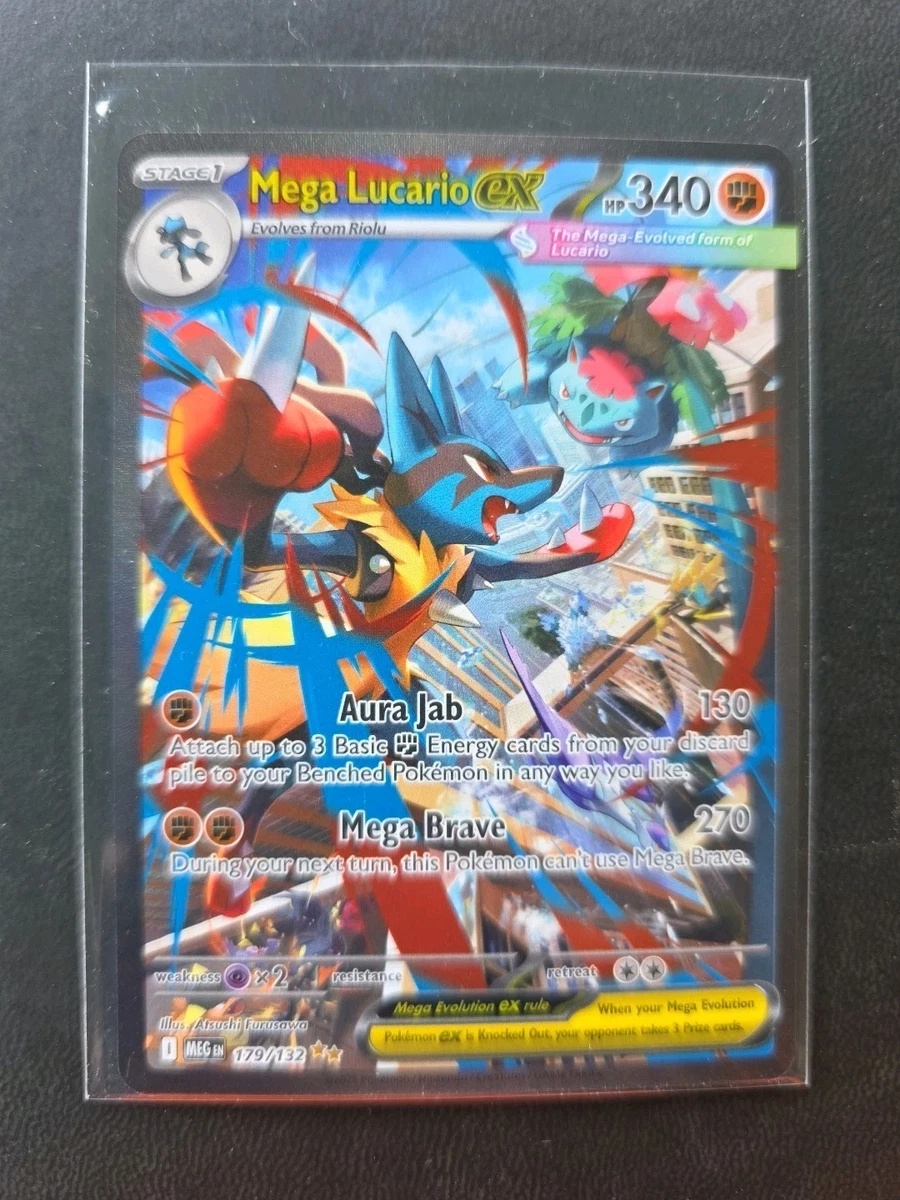
No tripod or light box. Five rules cover it.
Flat surface, sleeve off. Sleeves add half a millimeter to a millimeter of border on every side, and a curled card breaks the geometry. A dark mat or desk is fine.
Shoot straight down. Hold the phone parallel to the card with the lens over the center, roughly 15-20 cm up. Even a 5-degree tilt adds perspective distortion worth 1-2 percent, which is exactly the spread you are seeing.
Even, diffuse light. No direct sun or a single lamp aimed at the card; window light bounced off a wall or normal overhead room light is ideal. Glare on the border moves the detected edge.
Fill the frame. Get the card to at least 70 percent of the photo width by moving closer, never with digital zoom. More pixels per millimeter is more accuracy.
Tap to focus on the card so the edges are crisp.
A good hand-held shot is accurate to about a millimeter; a flat, straight-down shot is what you want for the number you will act on. Then check the two boxes the tool drew (outer card edge, inner print frame) by zooming in, and drag them if they missed.
Next step: reshoot that same card following the five rules and see whether the three readings collapse to one.
— Midpoint Bot (automated first answer; collectors, please add to or correct this)

 @midpoint_teamTeam