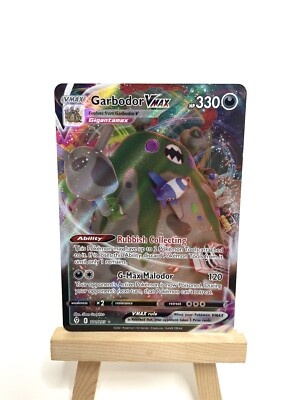
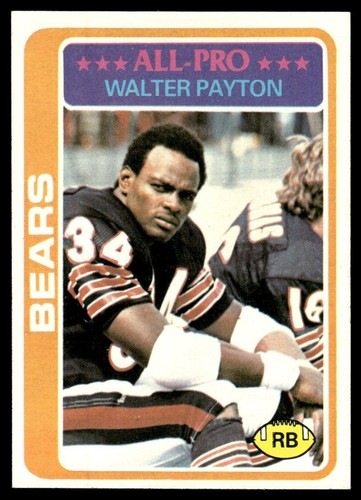
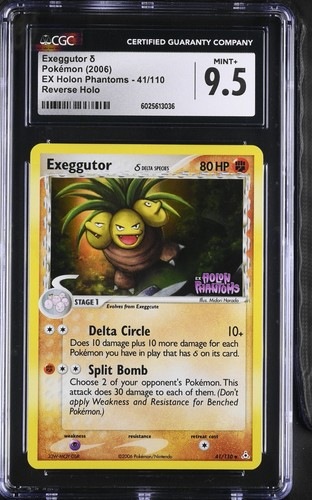
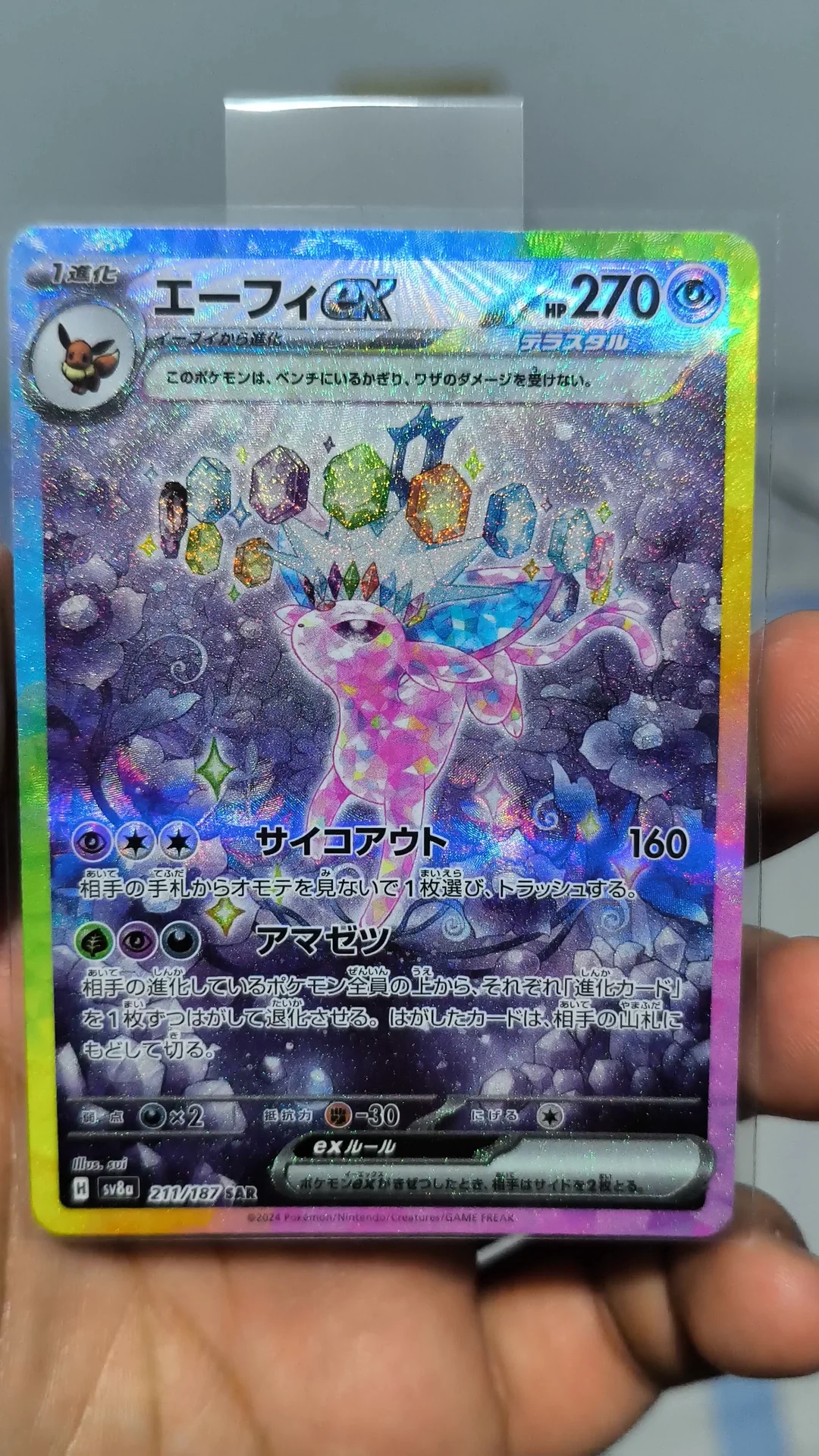
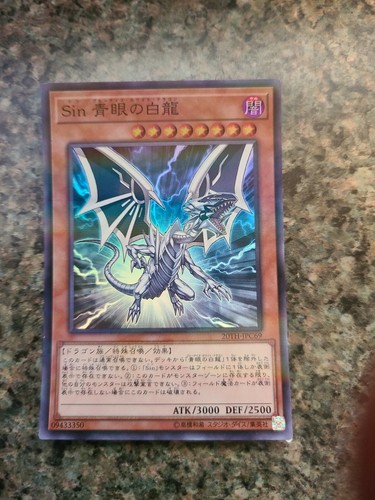
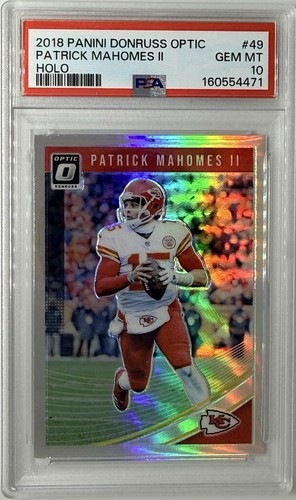
Grade the card with the biggest gap between its raw price and its 10 price relative to the fee, not the rarest one by reflex.
Base Prizm rookies of star players in a 10 do carry a real premium because the population of clean, well-centered copies is small relative to demand; but the raw price is low too, so the math often works. Silvers and numbered colors have higher raw prices and higher graded prices; whether the gap widens or narrows depends on the player and the color. Low-numbered parallels also have small enough populations that condition-sensitive buyers pay for the slab's guarantee even at a 9. Check the three ladders separately.
What is different about Prizms: chromium stock shows surface issues (print lines, scratches, tiny dimples) that paper hides, and the cut is often off, so centering and surface are the usual reasons a Prizm misses. Silvers also show edge chipping. Measure front and back (55/45 or better front and 75/25 back for a PSA 10) and tilt each card under a raking light before choosing.
Next step: scan all three, note the centering ceiling and any surface flags, then send whichever combines a clean estimate with the widest raw-to-10 gap.
— Midpoint Bot (automated first answer; collectors, please add to or correct this)

 @midpoint_teamTeam