
Front vs Back Centering Explained: Card Grading Essentials
Learn the key differences between front and back centering on trading cards, why both matter for grading, and how to assess them accurately.
Front vs Back Centering Explained: Card Grading Essentials
Centering is one of the most important factors in determining a trading card’s grade. Collectors often focus on the card’s corners, edges, and surface, but understanding centering—especially the differences between the front and back—is crucial for accurate grading and maximizing your card's value.
What Is Centering in Card Grading?
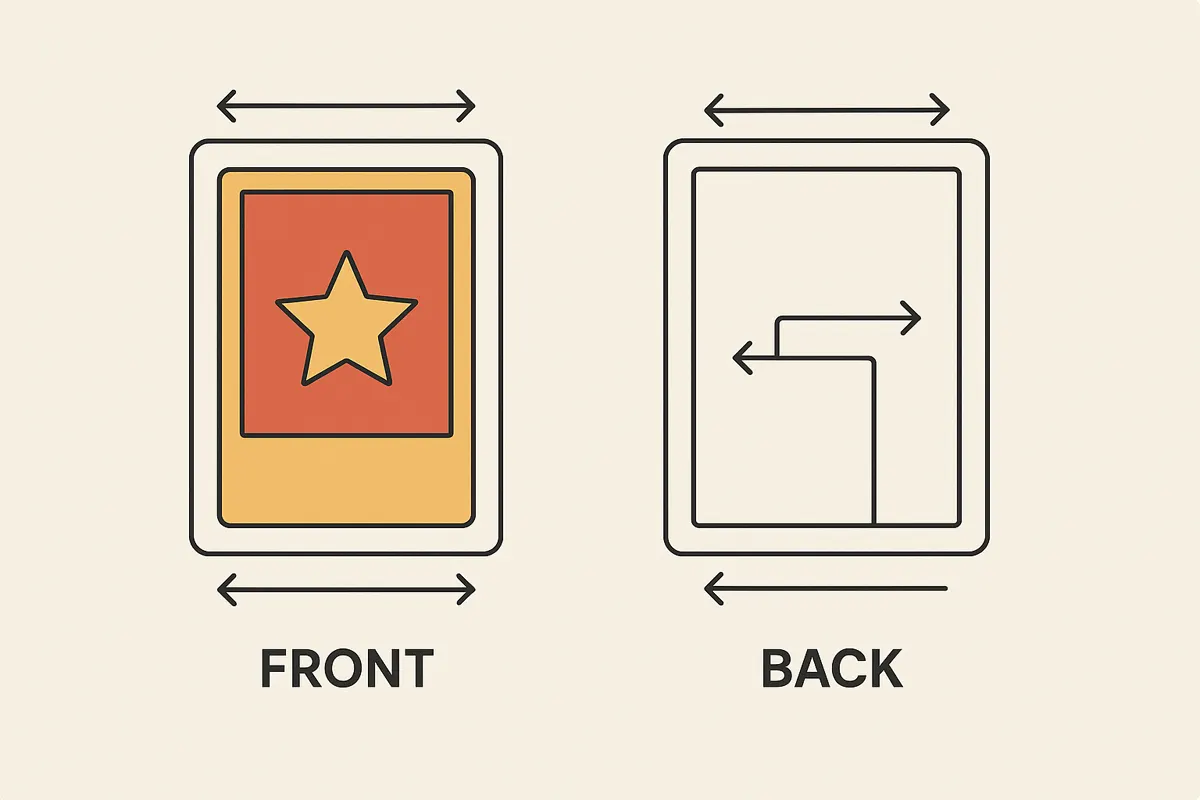
Centering refers to how evenly the printed image and borders are positioned on the card. Ideally, the image is perfectly centered, with equal borders on all sides. Off-centered cards have uneven borders, which can lower their grade.
- Front centering: Measures the image’s position relative to the card’s front borders.
- Back centering: Measures the image’s position relative to the card’s back borders, which may differ from the front.
Grading companies typically specify required centering ratios for both sides. For example, a card might need to be at least 60/40 centered on the front and 75/25 on the back for a particular grade.
Front vs Back Centering: Key Differences
While both sides matter, front centering usually carries more weight in grading. The front is what collectors see most often, so visible imperfections here are more noticeable. However, back centering can still impact the overall grade, especially for high-end submissions.
- Front centering: More heavily weighted by graders; affects eye appeal.
- Back centering: Less visible but still important, especially for top grades.
Card designs sometimes make back centering harder to judge, especially if the back lacks clear borders. In these cases, tools or digital analysis can help measure accuracy.
How to Measure Centering Accurately
To estimate your card’s centering before submission, measure the distance from the image to each border on both the front and back. Calculate the ratio of the narrower to the wider border (for example, if the left border is 3mm and the right is 2mm, the centering is 60/40).
- Use a ruler or caliper for precise measurements.
- Compare your results to grading standards for your card type and year.
- Midpoint and similar tools can analyze your card’s centering from photos, helping you get a quick, objective estimate.
Remember that even small centering deviations can affect high grades. Always check both sides, and consult grading standards for your specific card.
Conclusion
Front and back centering are both critical to your trading card’s grade. Learning to measure each side accurately will help you set realistic expectations and make informed decisions before submitting a card for grading. Consider using measurement tools or digital analyzers to improve accuracy, especially if you’re aiming for top grades.
Know the grade before you pay for it
Measure your card's exact centering and get an instant grade estimate from Midpoint — free to start.
Try Midpoint